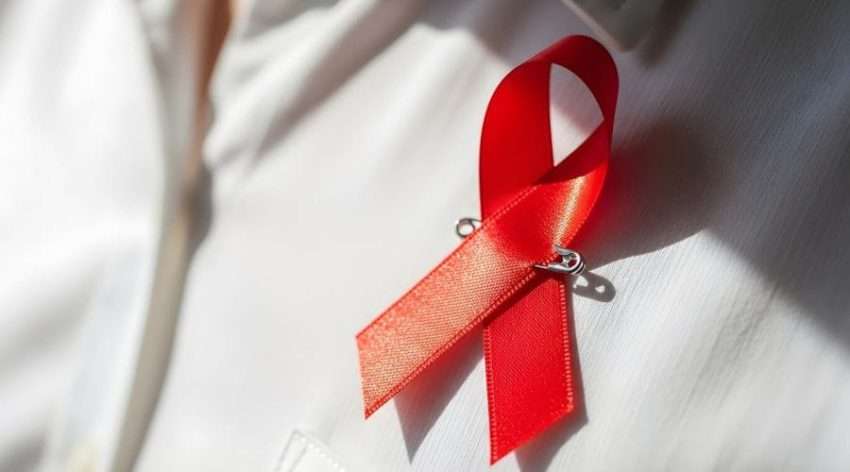
On World AIDS Day, New York State health officials say the state has made major progress in reducing HIV infections, but deep disparities and ongoing stigma continue to drive new cases—particularly among young people and communities of color.
Deepa Rajulu, deputy director of the New York State Department of Health’s AIDS Institute, said new HIV diagnoses have dropped 36% from 2011 to 2024, according to the state’s newly released report. “This is good news, but decreases are not being experienced equally across all communities,” she said.
Non-Hispanic Black New Yorkers face HIV diagnosis rates 9.2 times higher than white residents; Hispanic New Yorkers face rates 5.4 times higher. Most new diagnoses occur among people under 40.
Sam Meyer, program coordinator at the AIDS Institute, said stigma remains the biggest barrier—affecting sexual health conversations, prevention access and care. “Stigma prevents people from asking for the services they need,” he said.
The department also launched Unfiltered, a new PrEP-focused docu-series highlighting Black and brown New Yorkers, available at unfilteredny.org.
PrEP—available as a daily pill or long-acting injection—can reduce HIV transmission risk by up to 99%, Meyer said. Rajulu added that treatment advances supporting viral suppression reinforce the message of U=U: undetectable means untransmittable.
Despite federal funding uncertainty, Rajulu said the state remains committed to HIV services: “We live in a state committed to public health and are confident resources will be allocated to those with the greatest needs.”
For HIV testing, PrEP information or self-test kits, visit health.ny.gov.
Image Credit: Freepik